Microcracks in Solar Panels
Often invisible to the eye, caused by improper stacking, flexing, or rough handling during loading and unloading. We use edge-protected racking and trained handling crews.


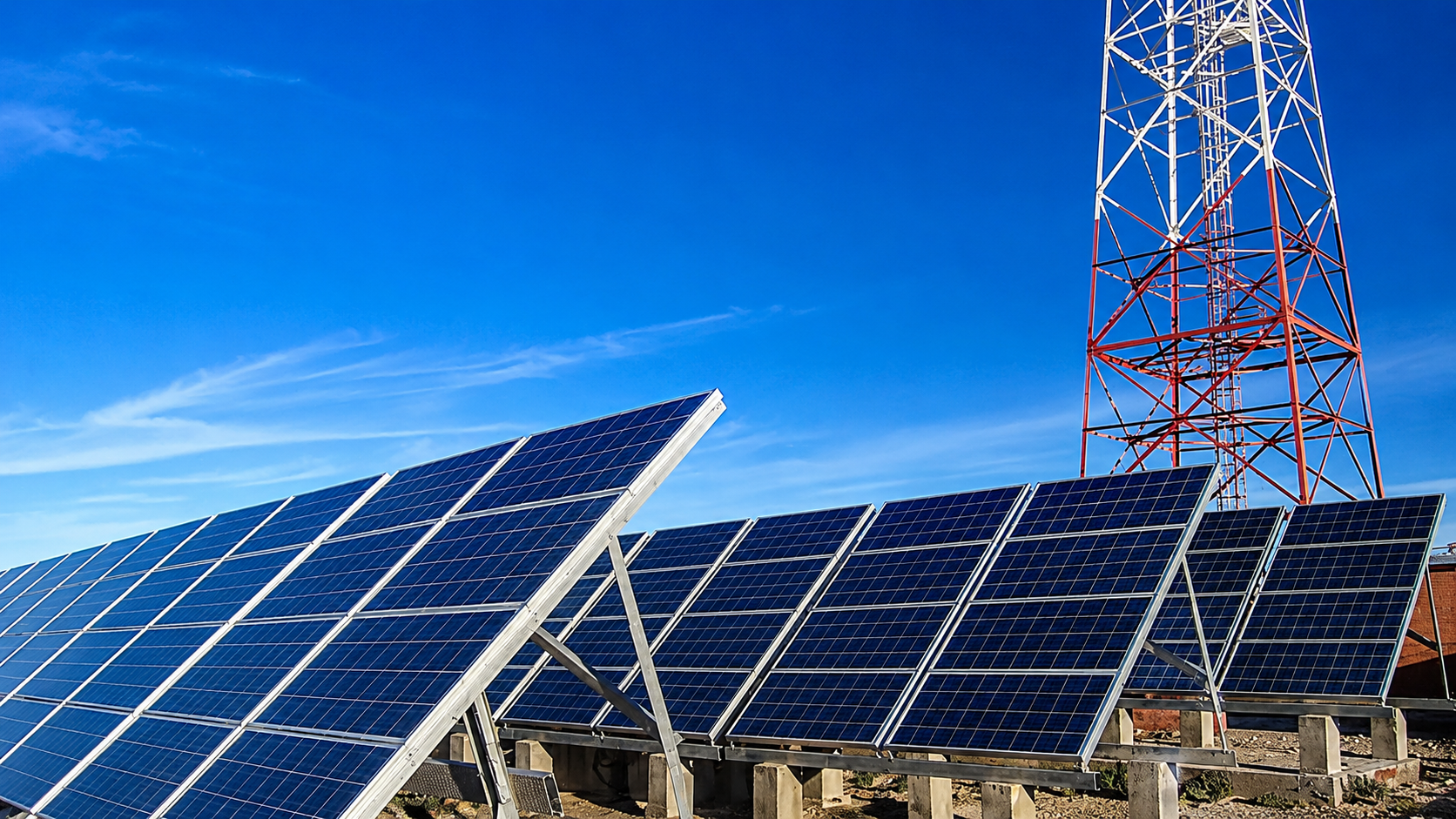
Singhania Logistics is one of the best logistics in India that offers CFA (Carry and Forward) and integrated logistics solutions for the telecom and solar industries. We're a single-source partner who handles the entire supply chain, from warehousing and inventory operations to transportation and delivery to the point. This makes sure that everything runs smoothly throughout the entire network lifecycle.
With advanced digital capabilities including WMS (Warehouse Management Systems), RMS, BOS models, and site return management, we deliver high efficiency, real-time visibility, and optimized control over telecom and solar supply chains. Our expertise in handling heavy lift and heavy haul transportation ensures safe and timely movement of telecom equipment and solar components across diverse project locations.
We support businesses in the telecom and solar sectors by providing scalable and technology-driven Carry and Forward (CFA) solutions that improve operational performance, reduce downtime, and enhance distribution efficiency.
Telecom and solar consignments are diverse in the kind of equipment and also have different handling needs. Here's what we account for at every stage:
| Equipment Type | Handling Requirement | Risk if Mishandled |
|---|---|---|
| BTS/tower equipment (antennas, RRUs, cabinets) | Vibration-controlled, moisture-protected storage and handling | Damage to signal components, rust, warranty voids |
| Solar panels & modules | Edge-supported, flat/vertical racking; anti-static handling | Microcracks, glass damage, lower power output |
| Batteries & BOS components (inverters, charge controllers) | Temperature-controlled, ventilated environment, away from direct heat | Thermal deterioration, reduced battery life |
| Cables, mounting structures & hardware | Segregated, labeled storage by project/site | Site delivery mistakes, installation delays |
Because telecom and solar equipment is often high-value, sensitive to shock and moisture, and destined for scattered project sites, it needs more than standard warehousing — equipment-specific handling protocols and trained material handling teams from arrival to dispatch staging.
Manufacturers and project developers often reach out to us after equipment underperforms or fails at the installation site. Most of these issues trace back to storage or transit, not the equipment itself:
Often invisible to the eye, caused by improper stacking, flexing, or rough handling during loading and unloading. We use edge-protected racking and trained handling crews.
Occurs when cabinets, RRUs, or BTS components are stored in non-humidity-controlled environments, especially during monsoon. Dedicated moisture-protected chambers prevent this.
Heavy haul shipping can loosen interior parts or harm sensitive electronics; we use adequately rated vehicles with load securing and route planning.
Returned or rejected equipment can be lost against the original dispatch. Our RMS reconciles every returned unit against its source project.
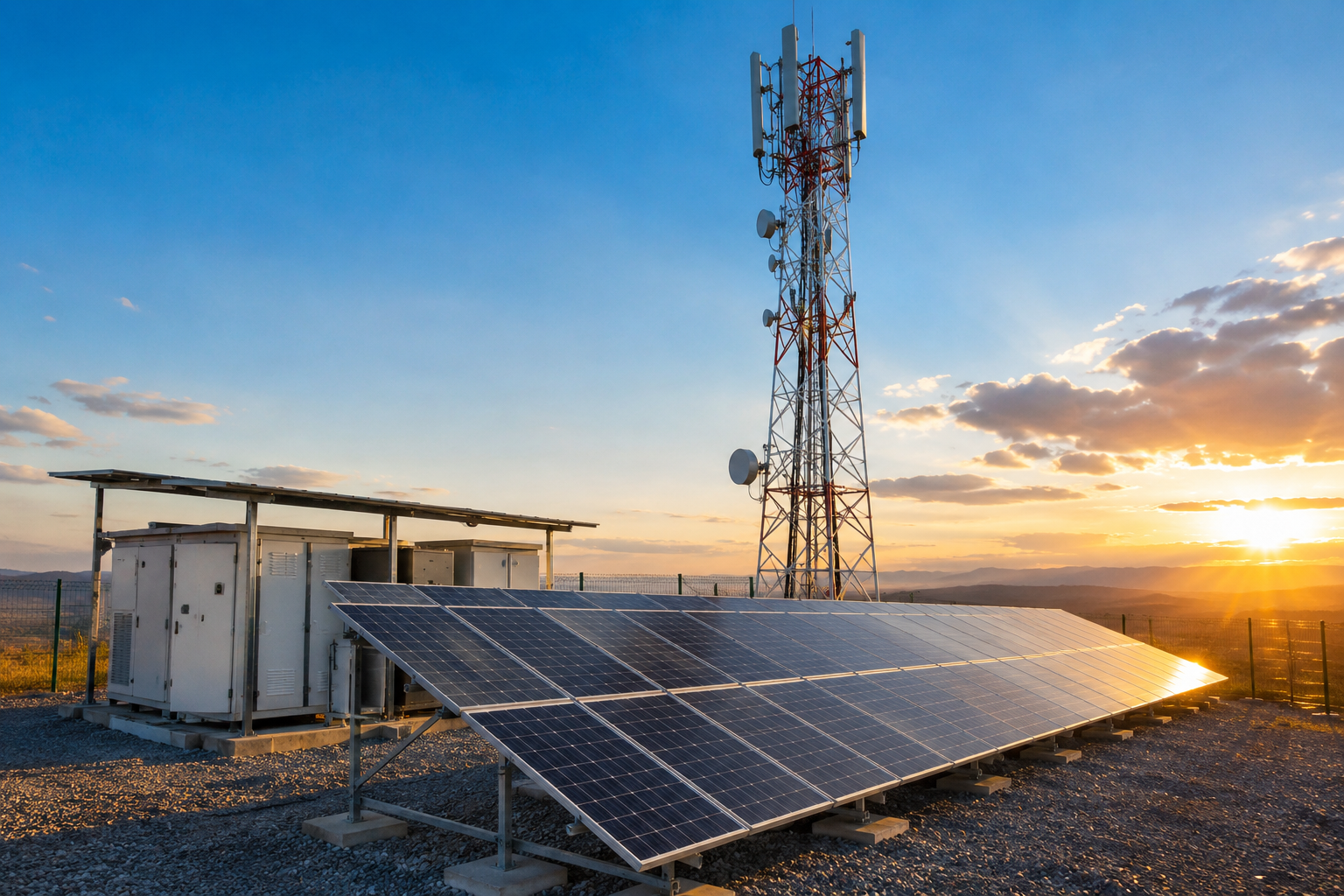
We provide full visibility across the supply chain through real-time tracking, detailed reporting, and compliance monitoring, ensuring accountability at every stage of the carry and forward process.
By optimizing warehousing, transportation, and distribution processes, our CFA solutions help reduce operational costs and eliminate unnecessary overheads for telecom and solar businesses.
Singhania Logistics delivers end-to-end warehousing and CFA services tailored specifically for the telecom and solar sectors. Our educated team manages storage, packaging, and distribution of sensitive and high-value equipment with precision and care.
We provide:
Secure warehousing for telecom equipment and solar panels
Efficient inventory and order management
Safe handling of heavy and fragile components
End-to-end distribution and site delivery
Our integrated approach to carry and forward logistics enables businesses to optimize their warehouse network, streamline operations, and achieve higher efficiency across the supply chain.
Handling solar panels, telecom towers, and related components requires advanced structure and expertise. These materials are frequently sensitive to environmental conditions and require careful storage and transportation. With years of experience and collaboration with leading solar and telecom companies, we ensure the highest standards of safety, reliability, and service quality.
From the factory or manufacturer gate to the final project site, your telecom or solar consignment is handled in a controlled, tracked process:
This is what allows telecom and solar businesses to run multi-site, multi-project rollouts without losing visibility of where equipment is at any point in the network.
Transport safety and documentation rules for moving telecom and solar equipment — notably heavy lift and big consignments — go beyond those for ordinary cargo transit. When considering a CFA partner, it's worth checking:
CFA services handle warehousing, inventory management, and last-mile distribution of telecom and solar equipment on behalf of manufacturers or project developers, acting as a single-source logistics partner instead of the business managing storage and transport separately at every project site.
Solar panels are moved in edge-supported packaging or racking, secured to prevent flexing or shifting during transit, and loaded and unloaded by trained handling teams to avoid microcracks, a form of damage that is often invisible until the panel underperforms in the field.
BOS refers to all solar system components other than the panels themselves, including inverters, charge controllers, batteries, cables, and mounting structures. These need separate handling and storage protocols since many are sensitive to heat, moisture, or physical shock.
Heavy lift and heavy haul transportation refers to moving oversized, overweight, or bulky equipment, such as telecom towers, solar structures, or large BOS components, using vehicles and load-securing methods rated for non-standard cargo.
Telecom equipment such as antennas, RRUs, and BTS cabinets is stored in moisture-protected, ventilated chambers away from humidity extremes, since corrosion and condensation are the most common causes of equipment failure in storage.
Site return management (RMS) tracks equipment that is returned, rejected, or swapped out from a project site, reconciling it against the original dispatch record so businesses maintain accurate stock and warranty records across multiple sites.
Yes, provided the facility has separated, appropriately configured storage zones for each, since telecom electronics and solar components, especially batteries, have different humidity, ventilation, and handling requirements.
Interstate movement of heavy or high-value telecom and solar equipment requires GST e-way bills and transport documentation matched to the consignment value and vehicle type, in addition to any project-specific compliance the client requires.
Inventory is tracked through WMS (Warehouse Management System) and RMS/BOS models, giving real-time visibility into stock levels, project-wise allocation, and returns, so businesses running multi-site rollouts are not relying on manual reconciliation.